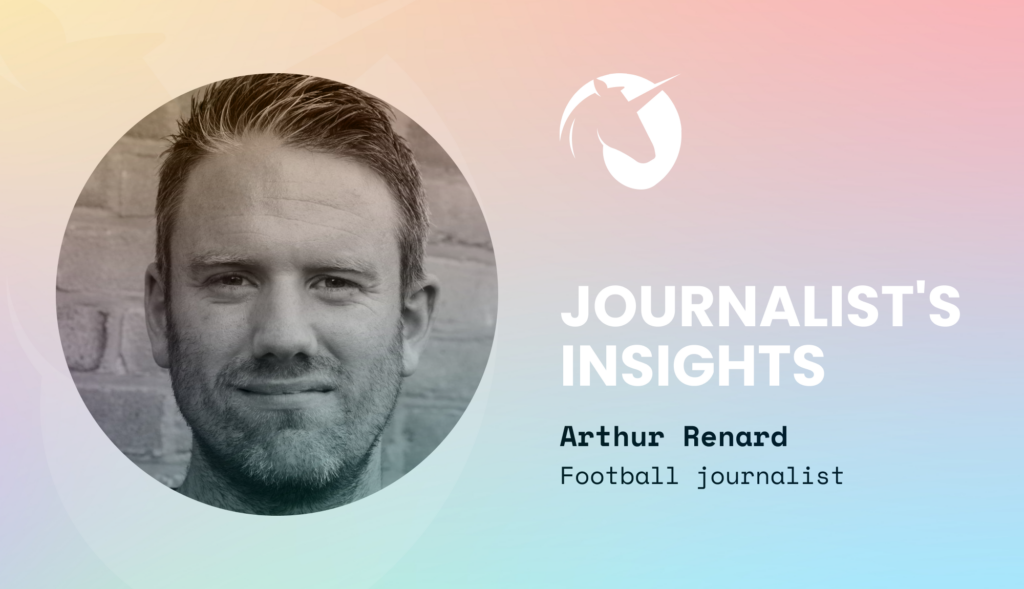
Arthur Renard didn’t choose the easy way. Freelance journalism is a tough trade. Outlet budgets are shrinking, full-time staff jobs are scarce, and most freelancers spend as much time pitching and chasing payment as they do reporting. The journalists who build careers that actually last tend to do so on a small set of perhaps-somewhat-unglamorous principles: hustle, personal contact, and a willingness to fund their own way to the stories worth telling (before selling them).
Arthur is now twenty years into a freelance journalism career. He’s the BBC’s go-to voice on Dutch football, a regular on Sky Sports and TNT, and has bylines in The Guardian, The Times, Frankfurter Allgemeine Zeitung, Gazzetta dello Sport, France Football, El País, and many more. He’s interviewed Klopp, Van Gaal, Frenkie de Jong, and Vincent Kompany and other top players and coaches.
He started in 2005 by getting on a train to London at 18 with no contacts, no formal training and very little money. Nine months later he was sitting in the canteen at Chelsea’s training ground having a private conversation with José Mourinho.
For the Runway Podcast, Mauro sat down with Arthur to unpack how that career actually got built. Different industry from our usual tech and PR territory, but the lessons on pitching, building editor relationships, and travelling for stories are worth an episode and a Journalist’s Insights analysis.
What follows is a summary of the main insights he shared on the pod, meant for freelance journalists, but useful for anyone seeking to understand and dive into this world a bit deeper. Here we go!
1. Show Up, Because The Story Is Rarely Going to Find You
The Mourinho meeting was not luck, it was a sequence of small, low-cost actions that compounded. Arthur did so many things here to get this to happen! He wrote a letter, then translated it into Portuguese (Mourinho’s English was already fine, but the gesture said something the words couldn’t). He took along a letter from a Dutch newspaper with an official stamp. He went to the training ground in person. OK he also had a bit of luck… he attached himself to a Portuguese journalist who was attending a Frank Lampard press conference, walked through the gate behind him, and showed his stamped letter to a security guard who waved him in. On the way out, Mourinho’s car pulled up alongside them with the window down. Arthur introduced himself as an 18-year-old from Holland and handed over his letter. Despite all that, it was still not extremely promising… Mourinho just said “okay, my friend” (in true Mou style) and drove off.
That could have been the end of it. Instead, Arthur did the thing most aspiring journalists wouldn’t: he gambled on the obvious email address. You know, first letter, last name, add @chelsea.com or something. Eventually a reply came back and an invitation to chat in Cobham. That conversation never got published, but Arthur had cracked it…
A month later, in May 2006, he also managed to interview Dennis Bergkamp in his final weeks at Arsenal. Twenty years on, almost to the day, he still treats that as the moment he became a journalist, and not just living an adventure. The lesson for anyone trying to land hard-to-reach contacts is simple. The high-leverage actions are usually the obvious ones nobody bothers to do. Show up in person somewhere. Translate the letter. Send the email. Send it twice. Try to meet someone that knows the source first and build rapport with their network. Welcome to journalism!
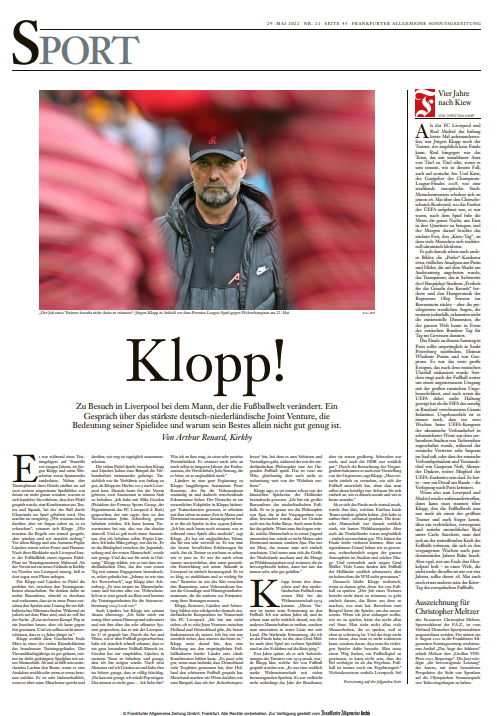
Interview with Jurgen Klopp for Frankfurter Allgemeine Zeitung
2. Lead With the Personal Story, It’s the Edge
Arthur’s website tagline is that he uses his heart as a compass. What that means in practice is that he isn’t pitching transfer rumours or tactical breakdowns. He’s pitching profiles of human resilience, faith, and how people deal with each other. He’s digging into the background story, personal motivations and things that these people have never expressed before. The kinda stuff that leads to a 6-page article on Van Gaal on legendary football magazine Four Four Two.
The interview that stays with him most is with Demba Ba, the former Chelsea striker. Ba spent his early years going from trial to trial, getting rejected in the lower French divisions, sometimes driving from Paris to England with friends just to get another shot. At 20, he was playing for a fourth or fifth division reserve team. While staying with a Muslim family on one of those trials, he rediscovered his faith, started praying daily, and later made pilgrimages. Arthur got that whole story in detail, on the record. It became one of his most-read pieces, but more importantly one of the deepest conversations.
His World Cup off-pitch story for 2026 is similarly off-grid. Curaçao, qualifying for the first time as a tiny nation, is approaching the tournament as a group of friends. When offered, they told FIFA they didn’t want privacy or security around their hotel. They want to eat among the tourists and offered to make every training session open to the public. Arthur’s in was that the coach is Dutch and most of the squad was born in the Netherlands. It’s so interesting as a human story, about football culture, not match results. Which led to a great piece on them for The Guardian, interviewing their coach Fred Rutten.
Which made us think… how similar is it to a lot of things PR pros say. The personal story behind the company beats the product spec sheet…
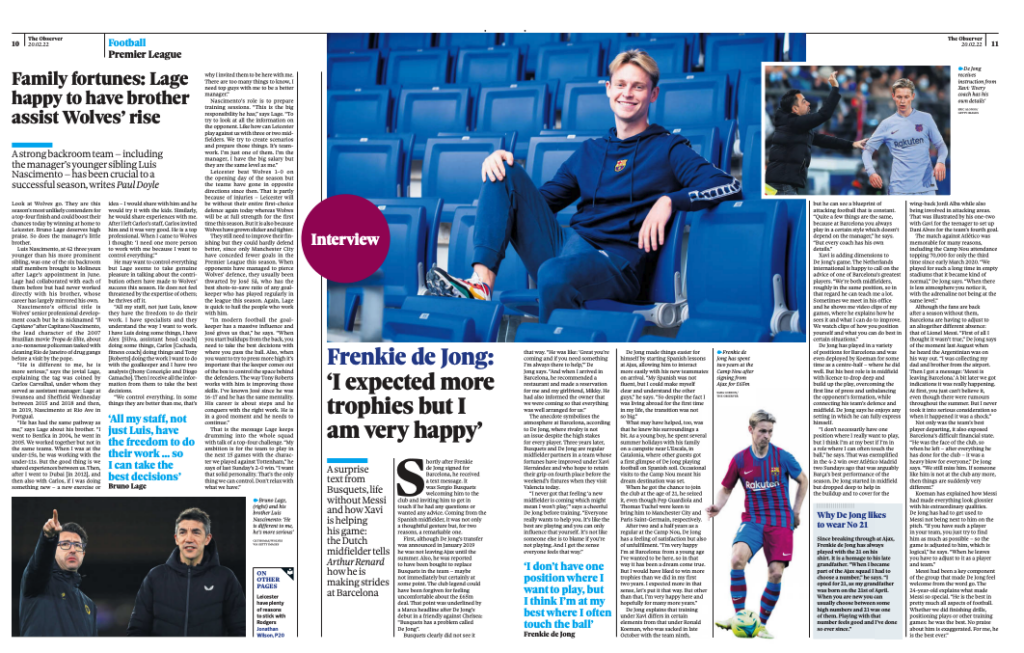
Interview with Frenkie De Jong for The Observer
3. Cold Doesn’t Convert That Well – Warm It Up First
Things don’t happen out of nowhere. The strongest thread running through Arthur’s twenty years is that almost nothing important arrived from a cold pitch. The Mourinho meeting only happened because he’d already been showing up at training grounds and matches, putting himself in front of people. The Bergkamp interview followed the Mourinho conversation. France Football, the toughest title he ever cracked, only opened up after years of trying and a piece anchored by Dutch links he’d built relationships around.
It’s much easier to interview someone, or pitch an editor, when they already know who you are.
For anyone whose job involves getting attention from journalists, founders, or anyone hard to reach, the takeaway is straightforward. Build the warm-up before you need it. Show up at industry events. Engage with their work publicly. Get a mutual contact to introduce you. By the time you actually want something specific, the relationship is already there. Cold outreach is the format with the highest volume and the lowest hit rate. The work that actually moves the needle happens in the months before you press send.
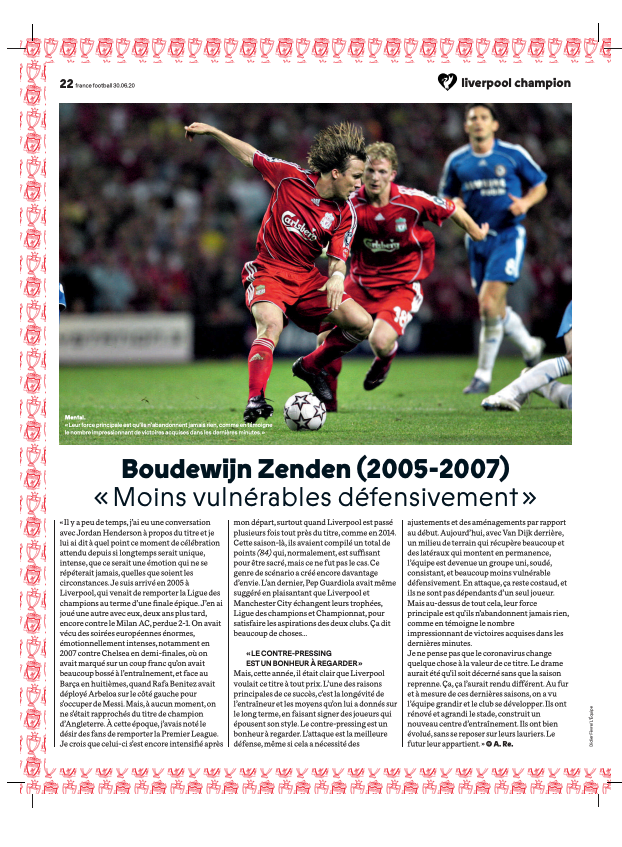
Arthur’s piece in France Football
4. Editors Are Selling Too! Pitch With That in Mind
Arthur is candid about a friction every freelance journalist hits, and it isn’t really about the journalism. Editors have to sell their stories to their audiences. A profile that’s fascinating to write isn’t always one their readers will click on. “Sometimes you have a great story, but it’s a player from the second division and some foreign publications say, well, nice story, but he’s not playing for any of the big clubs.”
That doesn’t mean you stop interviewing the people you find genuinely interesting. Arthur clearly hasn’t. It means you understand that when you pitch, the editor is asking a question one step beyond yours: not “is this interesting?” but “will my audience care?” In football, that often means big-name players sell more. In tech, it means recognisable founders, sectors with current momentum, or rounds with marquee investors.
For PR teams, this is the bit that gets missed. The most newsworthy story you have, in absolute terms, isn’t always the most pitchable one. Knowing what makes an editor’s life easier (a clear hook, a fresh angle, a name their readers know) doesn’t dilute the substance of the story. It just gets the story to land. The two best things you can do for any pitch are make it relevant to the publication’s audience and make it easy for the editor to say yes.
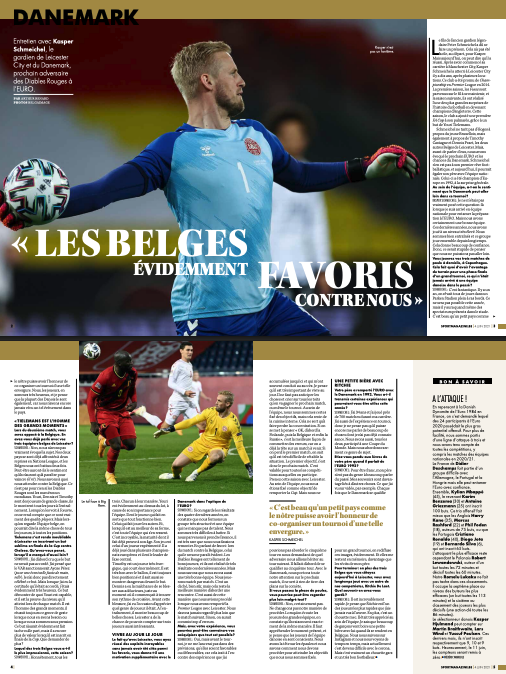
Interview with Kasper Schmeichel, for Sportmagazine (Belgium)
5. Freelance Gives You Freedom, But Also Risk
Most football journalists at major tournaments are travelling on staff money for a national newspaper or broadcaster. Arthur isn’t. “It’s very much going there, making the investments and hopefully that you sell enough articles that everything will be paid back.” With tournaments, he’s typically broken even or made a small profit.
He goes anyway, and his reasoning matters. As a freelancer, he can chase whichever story he wants, wherever it is. He doesn’t need to clear it with anyone. Compare that to a junior staff hire at a major paper, where the senior reporter who’s been on the beat for twenty years has first claim on every World Cup. You might wait years before you’re assigned the trip you actually want.
The trade-off is real. Arthur funds his own flights, accommodation, and accreditation. He doesn’t know in advance whether the trip will pay back. Some stories sell. Others don’t. The discipline is choosing tournaments and angles where the upside (published work plus the relationships you build with hundreds of journalists, agents and federation press officers in one place for a month) justifies the risk.
For BUPR’s audience this is the founder’s dilemma in another industry. Salary and steady briefs versus the freedom to chase your own ideas, with no guarantee the return shows up. Arthur picked the second one and made it sustainable through twenty years of relationship building and disciplined pitching.
Arthur at the CNN studio discussing Arne Slot appointment by Liverpool
6. Freelance Journalists Should Be Looking at Video and Podcast
Twenty years into print journalism, Arthur is visibly expanding into broadcast. Studio appearances on Sky and TNT around big Dutch football stories. Sideline reporting at Champions League nights.
The reasoning is straightforward. Audiences are spending more time with video and audio than with print, and that shift isn’t slowing down. For freelance journalists in any sector, the platforms where readers, listeners, and viewers actually are have changed. Long-form writing isn’t going anywhere (and for Arthur, it’s still where the passion sits), but the journalists who only write are leaving real audience and real income on the table.
Arthur’s path is worth watching because he isn’t trading one format for another. He’s building broadcast and video on top of the writing he’s been doing for two decades. The same reporting now travels into print, broadcast, video, and audio. The skill stack expands. The audience surface area expands. The income lines diversify.
For anyone in PR, comms, or freelance writing watching their print outlets shrink, the takeaway is the same. You don’t have to abandon what you’re good at. You do have to start looking at the formats your audience is actually choosing.
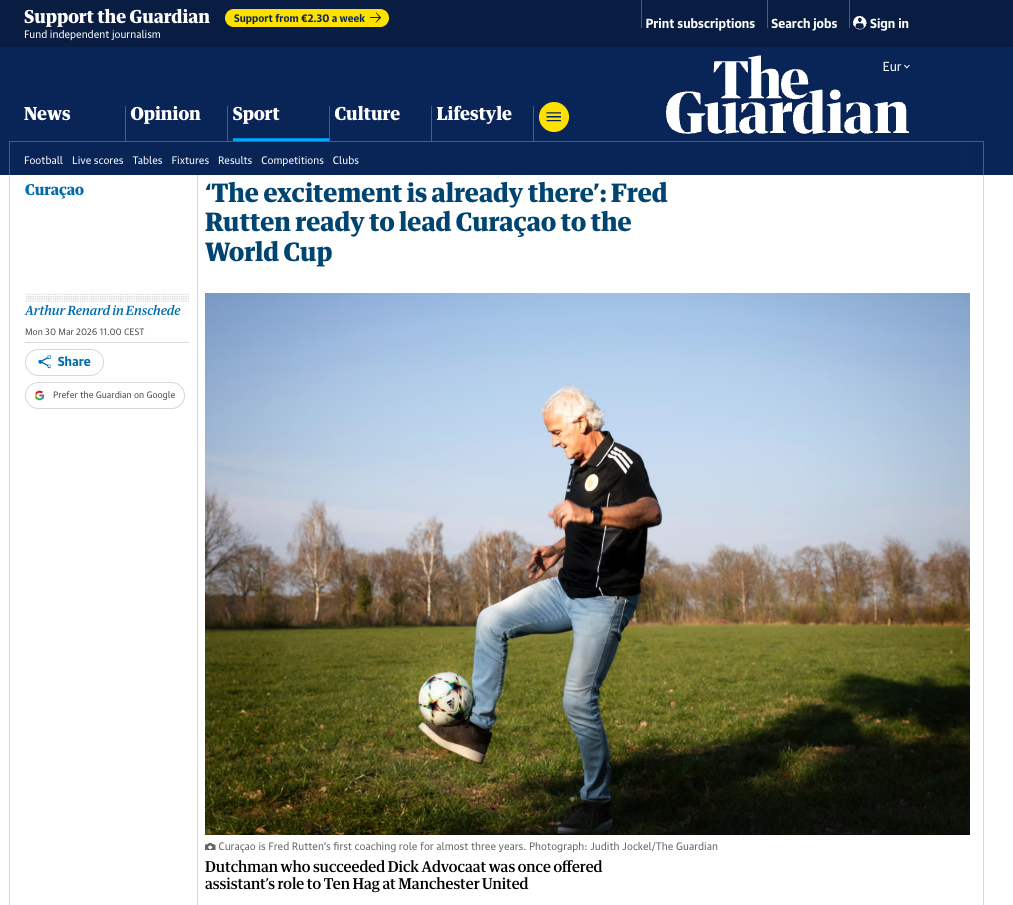
Arthur’s interview with Fred Rutten, Curaçao coach
Main Takeaways from our convo with Arthur Renard
Student of PR, comms, or freelance journalism in any sector? If you can’t listen to the full conversation, here’s a primer on the things Arthur shared:
- Show up in person. The high-leverage actions to land hard-to-reach contacts are usually the obvious ones nobody else does.
- Send the email. Then send it again. Persistence on the small actions compounds.
- Lead with the personal story. The human angle behind a subject beats the standard angle, every time.
- Cold doesn’t convert. Warm up the relationship before you actually need anything specific.
- By the time you press send on a real ask, the recipient should already know who you are.
- Editors are selling stories to their audiences. Pitch with their reader in mind, not just yours.
- Make it easy for the editor to say yes. Clear hooks, fresh angles, names their readers already care about.
- Freelance gives you freedom and risk in equal measure. You can chase any story you want, but you fund it yourself with no guaranteed return.
- Tournaments and conferences pay in two currencies: published output and the relationships you build there. The networking value usually outlasts the stories.
- Freelance journalists should be looking at video and podcast formats. The audience has already moved.
- You don’t have to trade long-form for new formats. Build them on top of the writing you already do.
- Twenty years in, the principles haven’t changed. Hustle, personal contact, and personal stories still do most of the work.
🎧 This article is based on a conversation from The Runway Podcast featuring Arthur Renard. Listen to the full episode for the complete chat.
Want more Journalist’s Insights? Check these out!
Journalist’s Insights: Andrii Degeler, Head of News at Dealroom & Founder of Unzip Media
Journalist’s Insights: David Cendón Garcia, News Editor at EU Startups
Journalist’s Insights: Tech.eu Senior Writer Cate Lawrence on What Really Gets a Story Written
Financial Times Contributor Nick Huber – What Every Startup Founder Should Know About Comms
Into the world of cybersecurity journalism with Danny Palmer